The Animal Says Hi Guides
Small discoveries. A wilder world.
Practical ways to photograph, notice and understand the animals around you — honest about what a picture can show, and kind to the animal in it.
Start with How to take a good animal photo
Showing 20 guides.
Better photos
Make clear, respectful pictures without disturbing the animal. 5 guides
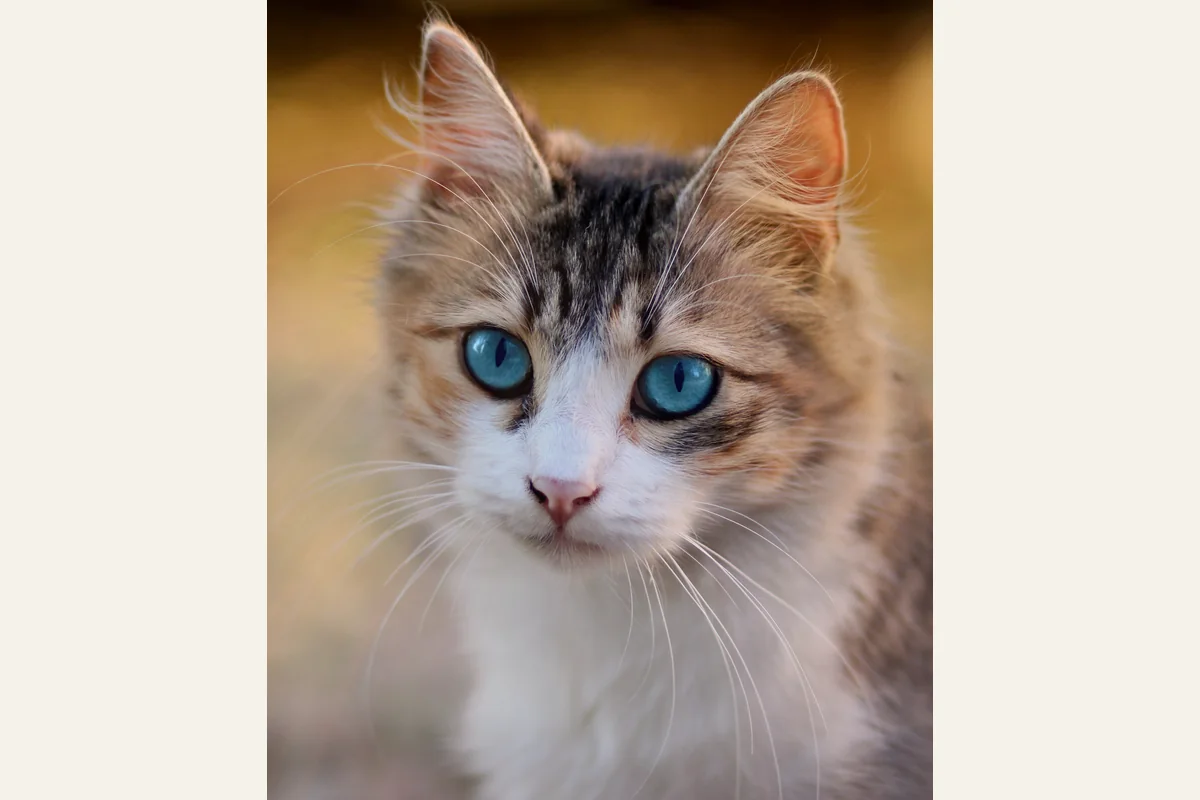 How to take a good animal photoA practical guide to making an animal photo easier to study while keeping people and wildlife at a respectful distance.Read guide
  How to fix blurry animal photosWork out whether blur came from movement, focus, or distance, then try a safe, simple improvement with the camera you have.Read guide
 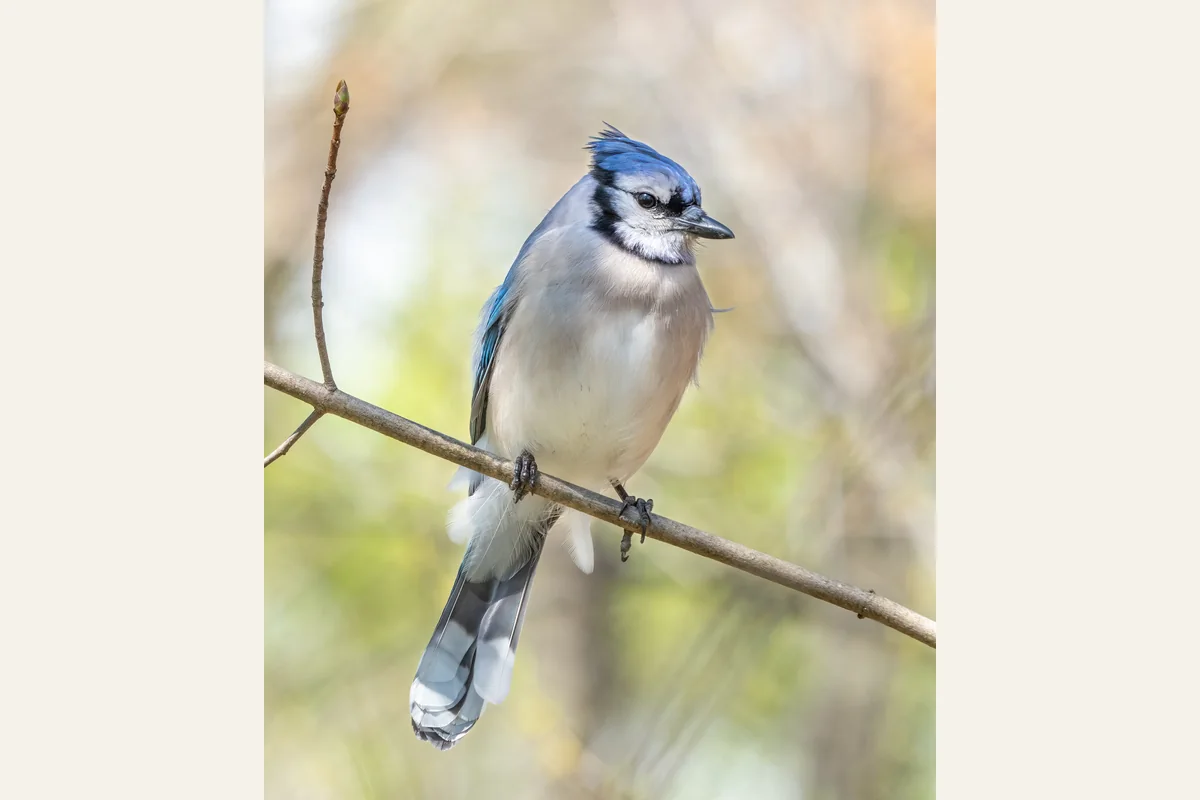 How to photograph birds for identificationImprove bird photographs through light, framing, focus, and patient timing so a later comparison has a clear original to work from.Read guide
 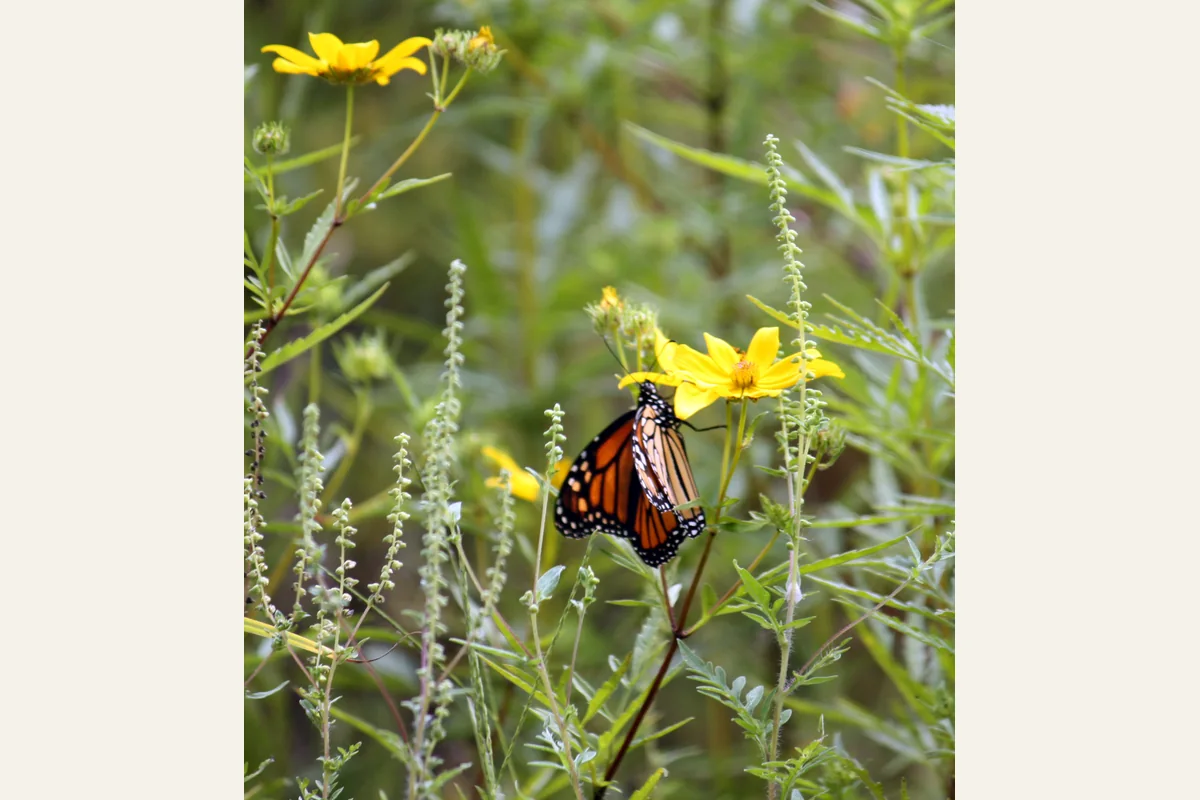 How to photograph insects for identificationMake small-insect photographs easier to inspect by choosing a safe view, workable focus distance, and a clear plane of focus.Read guide
 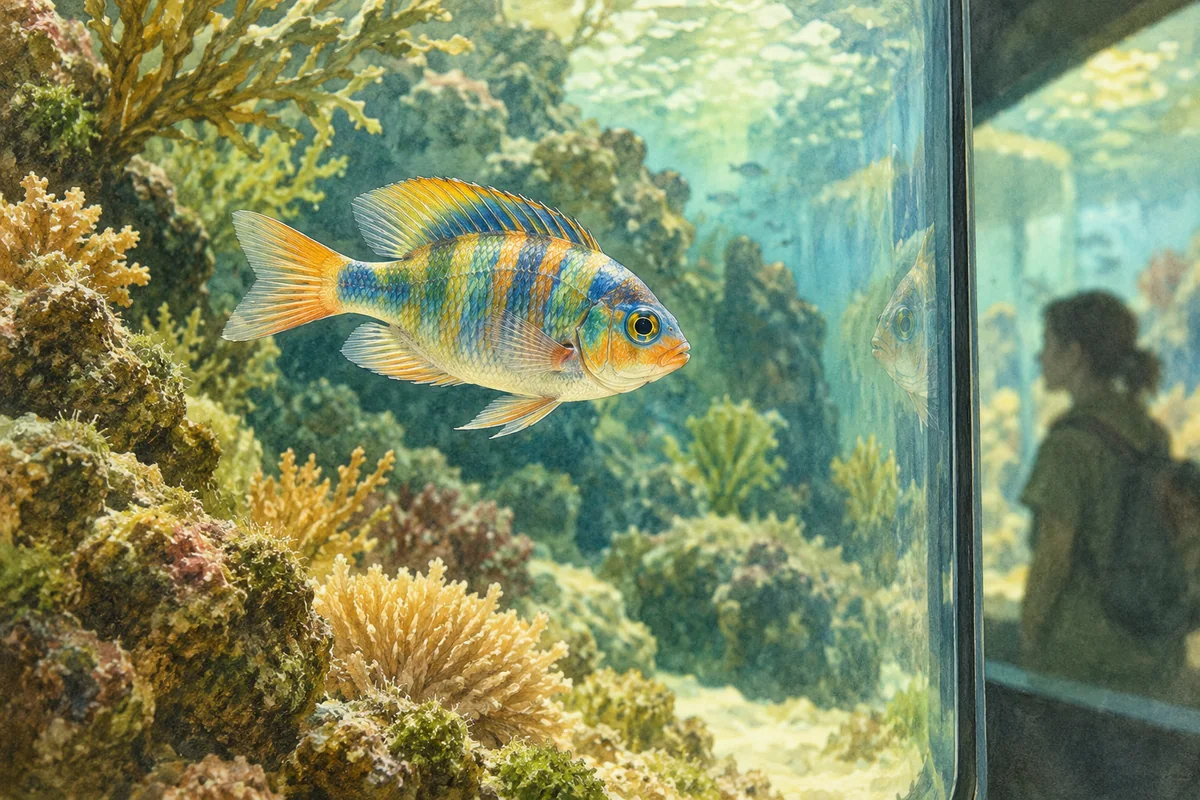 How to photograph animals through glassReduce reflections and focus problems when photographing animals through windows or exhibit glass, while following venue rules and respecting the animal.Read guide
Understand identification
Read visible clues, compare possibilities, and know when to stop. 5 guides
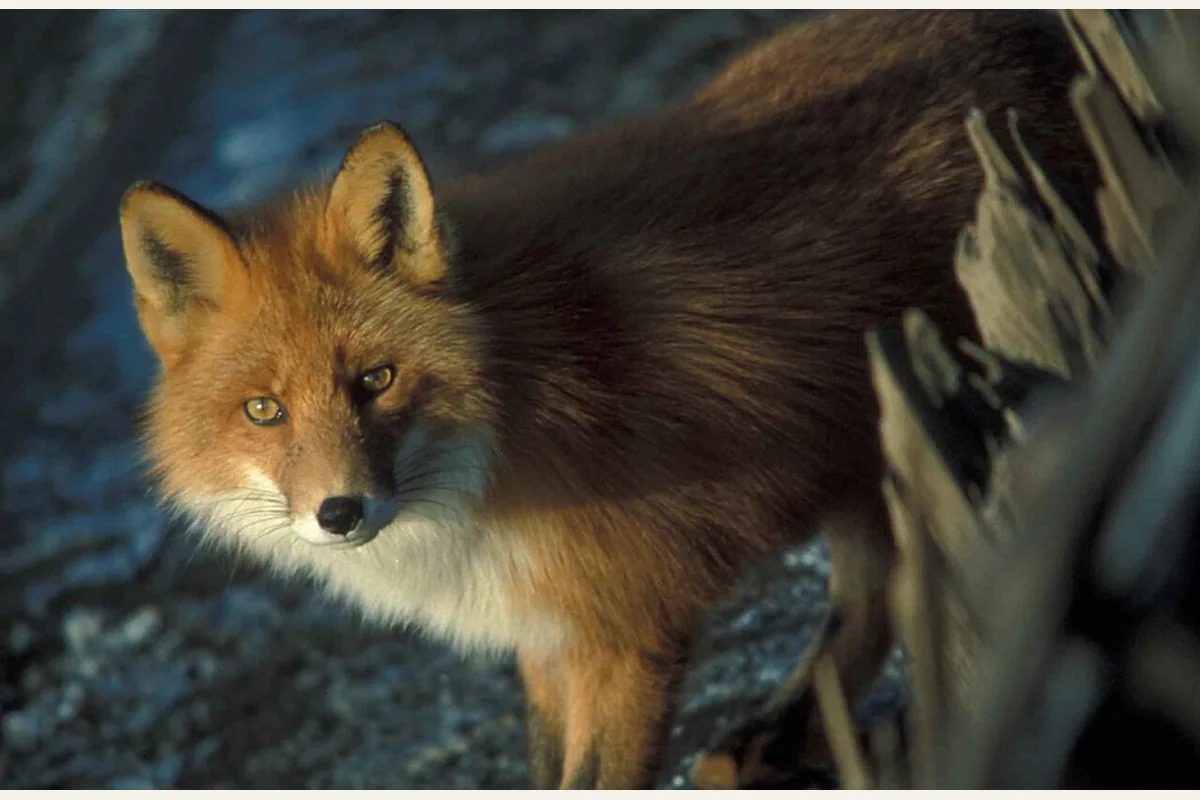 How animal identification worksLearn how observers compare visible evidence with possible animals, why an identification can stop at a broad group, and how to check an AI suggestion.Read guide
 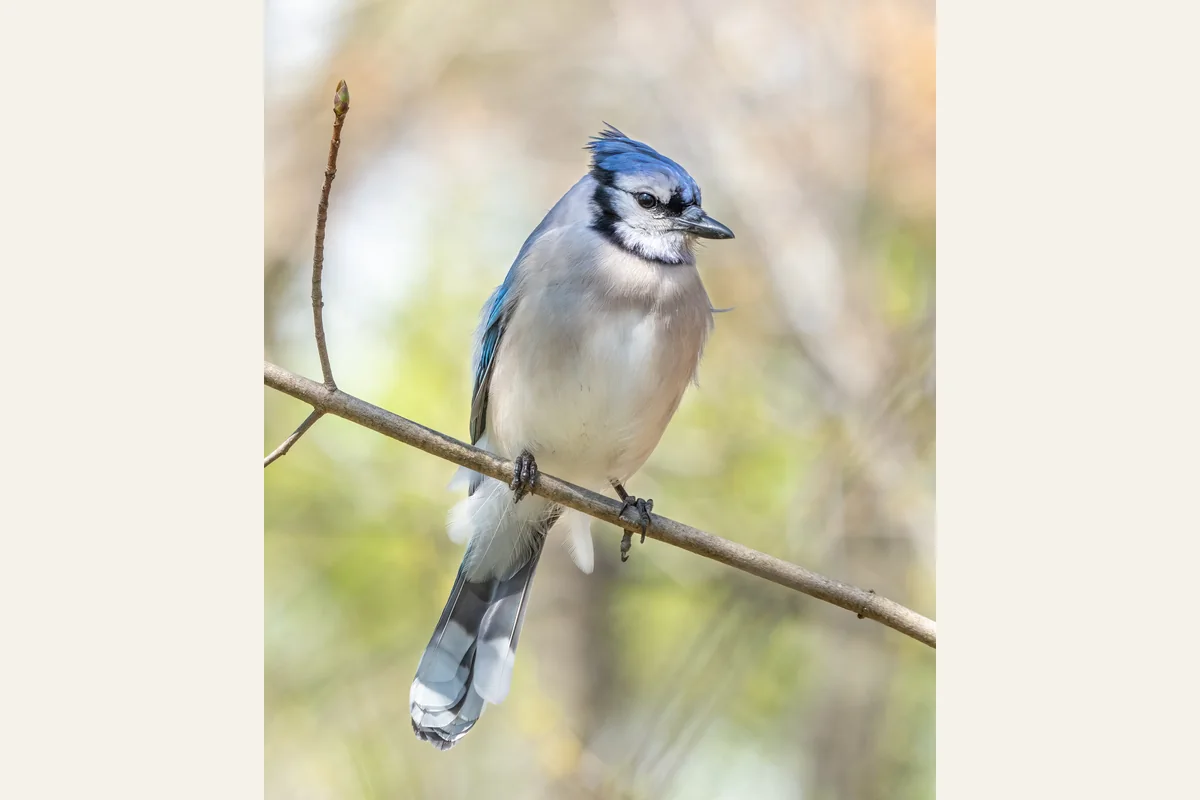 Observed clues vs. species traitsTell apart what a photo appears to show from general facts about a suggested species, and avoid treating species-level context as a fact about one animal.Read guide
 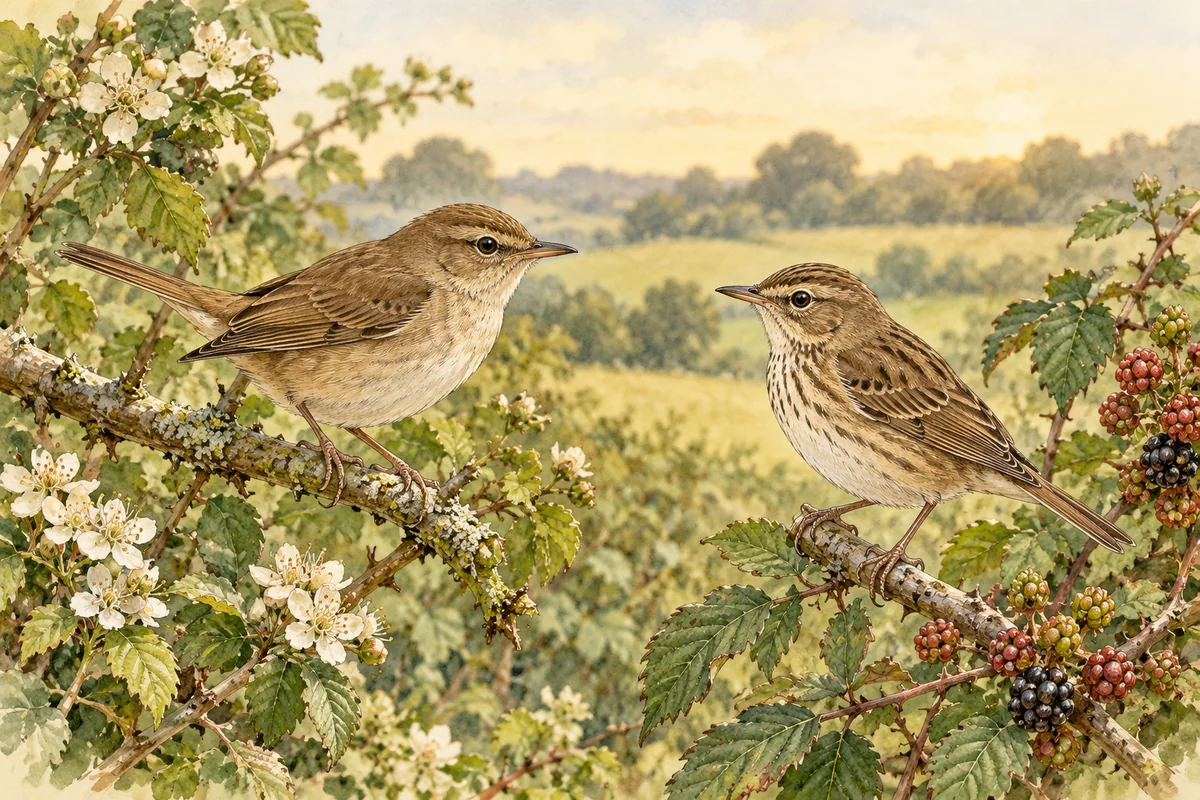 How to compare animal lookalikesCompare similar-looking animals with observable differences, a short candidate list, and an honest stopping point when a feature is missing.Read guide
  How location and season help identify animalsUse approximate location and date as supporting clues for an animal identification without treating a range map as proof or sharing more detail than needed.Read guide
 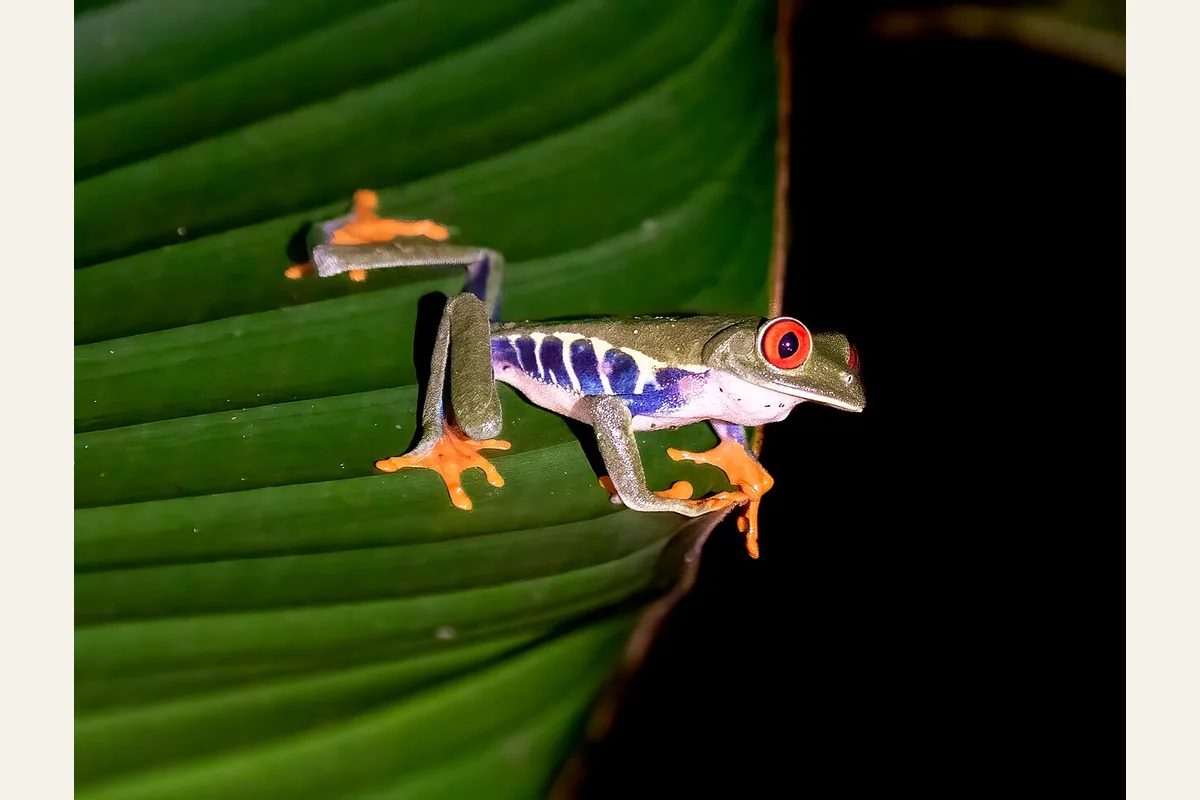 When an animal identification stops at familyUnderstand why a broad identification can be the most accurate result when a photo does not show the feature needed to name a species.Read guide
Animal groups
Notice field marks and useful differences without relying on shortcuts. 5 guides
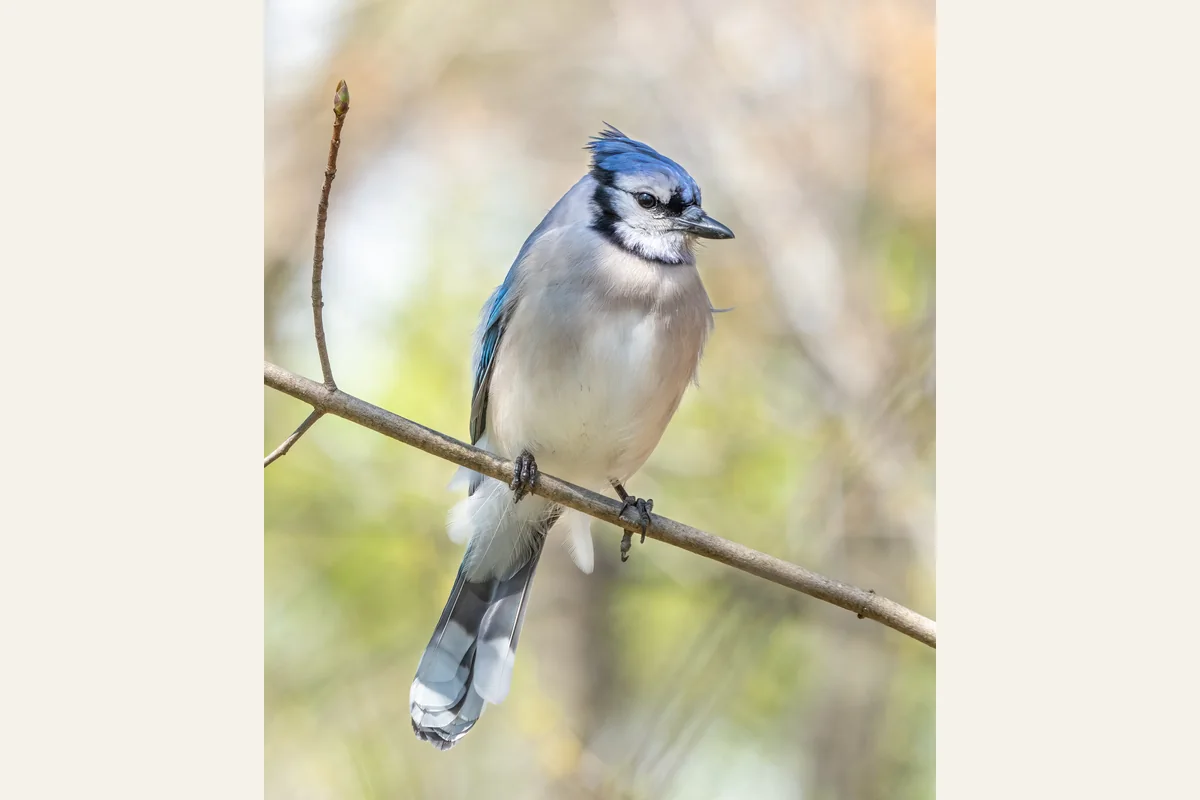 Bird field marks: notice the cluesLearn to notice a bird’s visible patterns and shape without expecting one clue to prove an identification.Read guide
 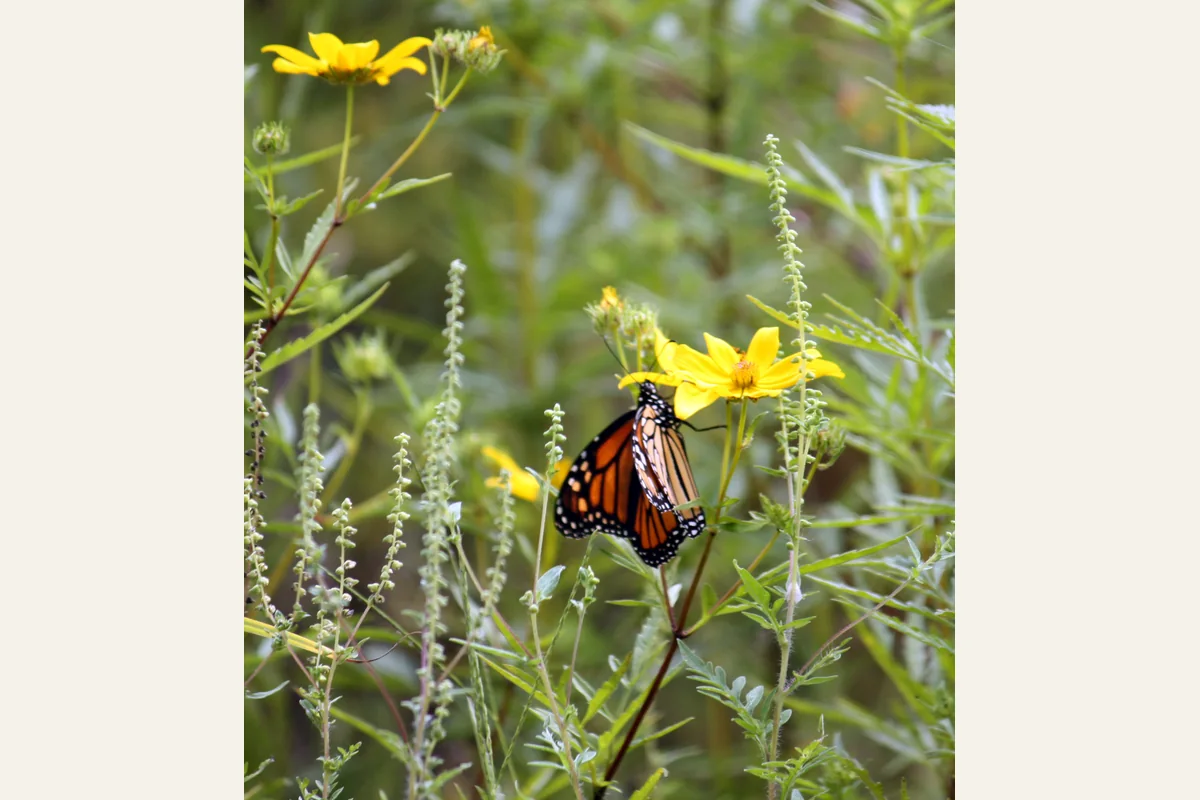 Butterflies and moths: look beyond the shortcutExplore the clues that can help distinguish butterflies and moths, and why color alone does not decide.Read guide
 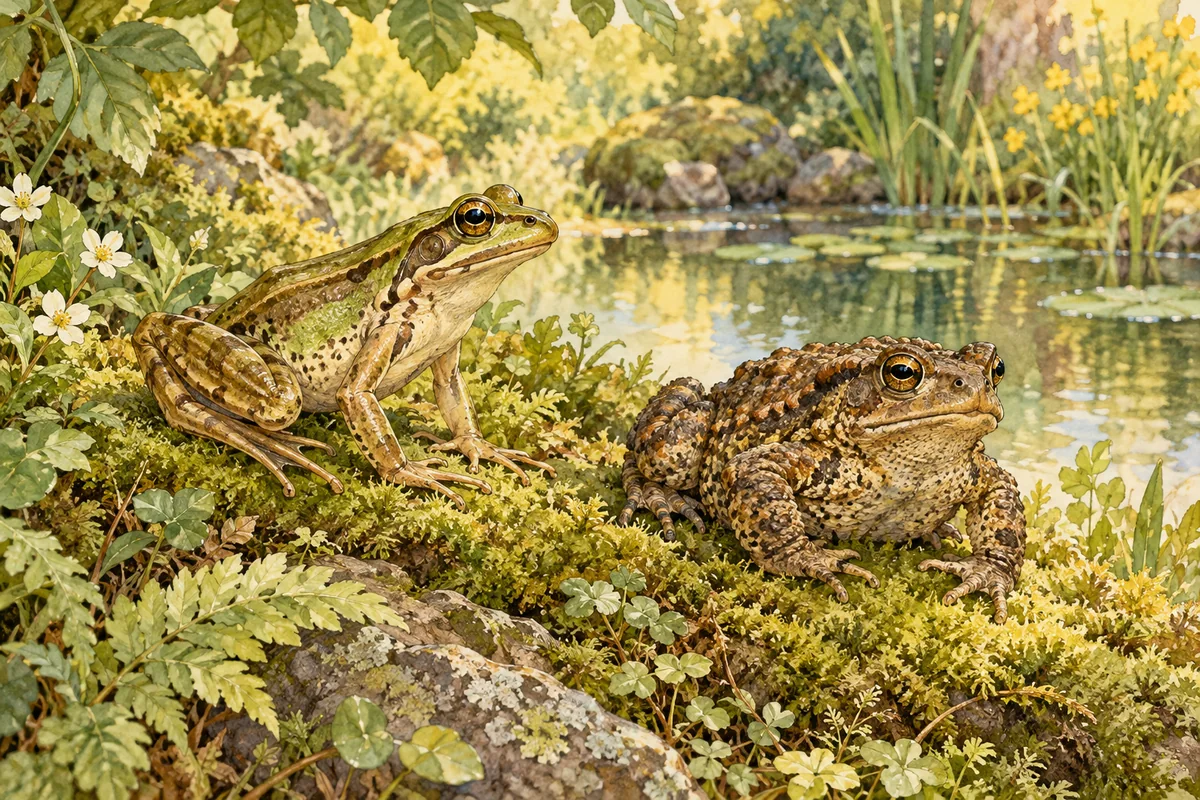 Frogs and toads: similar neighbors, not a simple splitCompare common frog-like and toad-like clues while keeping regional variation and taxonomy in view.Read guide
 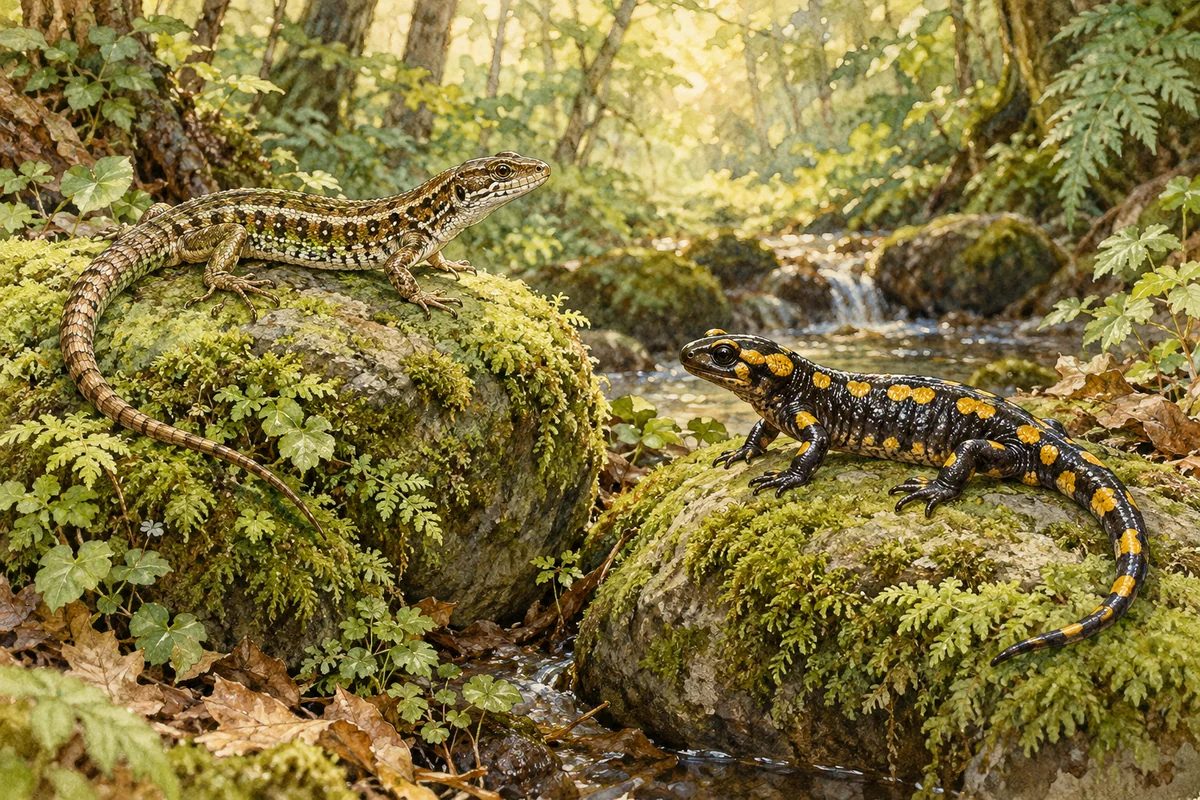 Lizards and salamanders: scales, skin and spaceLearn the broad visual difference between a scaly lizard and a salamander, while leaving room for exceptions and uncertainty.Read guide
 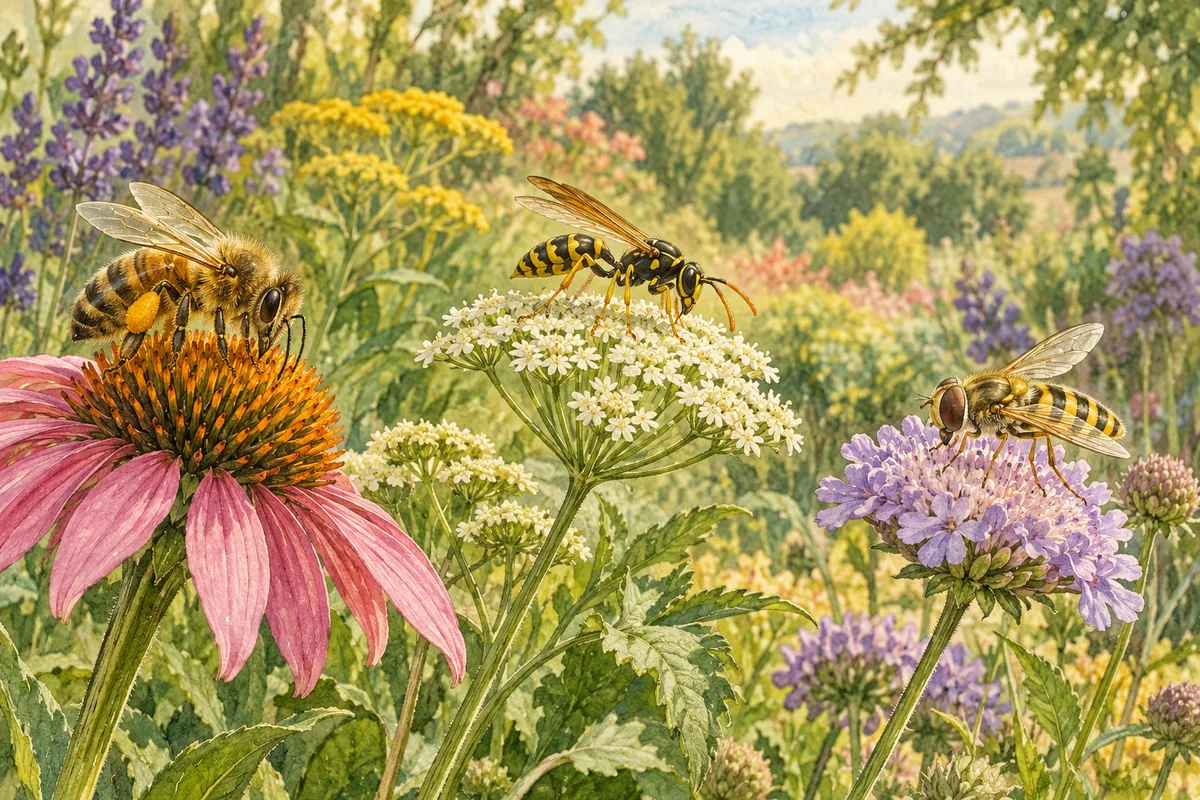 Bees, wasps and hoverflies: similar stripes, different cluesCompare bees, wasps and hoverflies through visible features while avoiding unsafe conclusions from a photo.Read guide
Observe with care
Watch, learn, and make room for wildlife. 5 guides
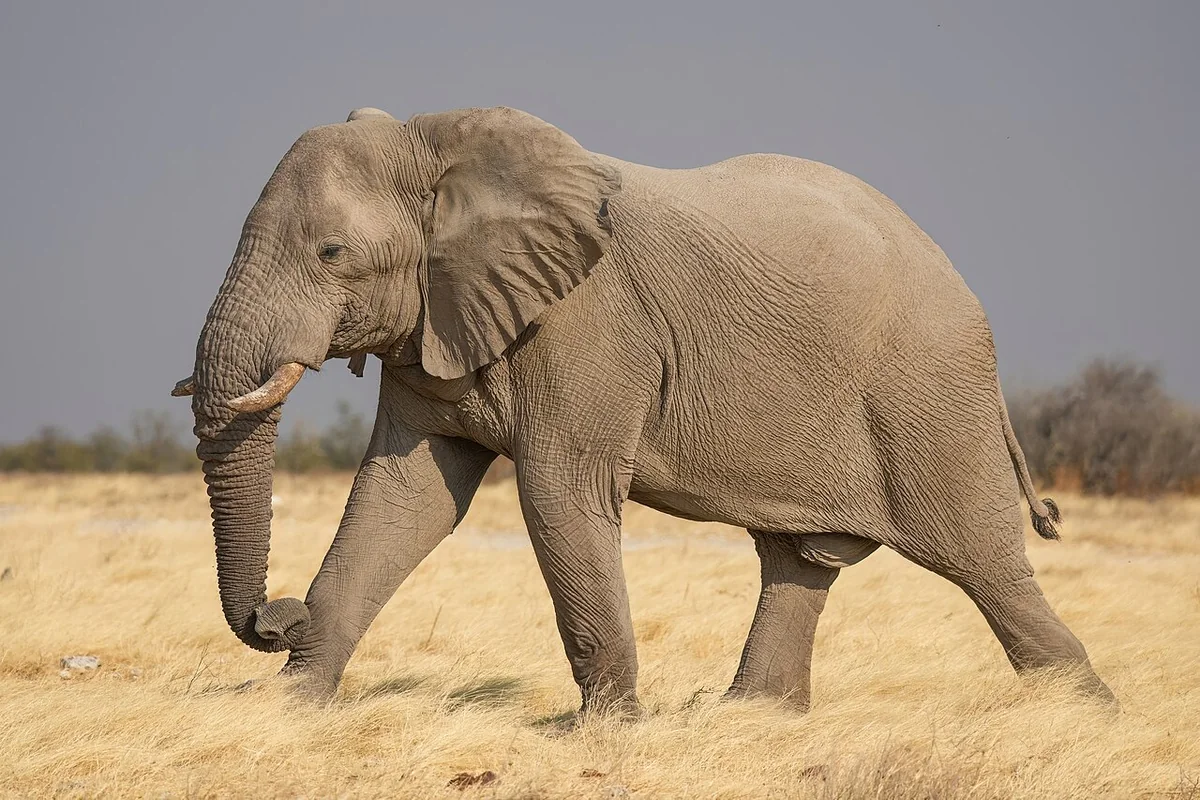 Give wildlife room: watch without closing inLearn simple ways to observe wild animals while respecting their space and local rules.Read guide
 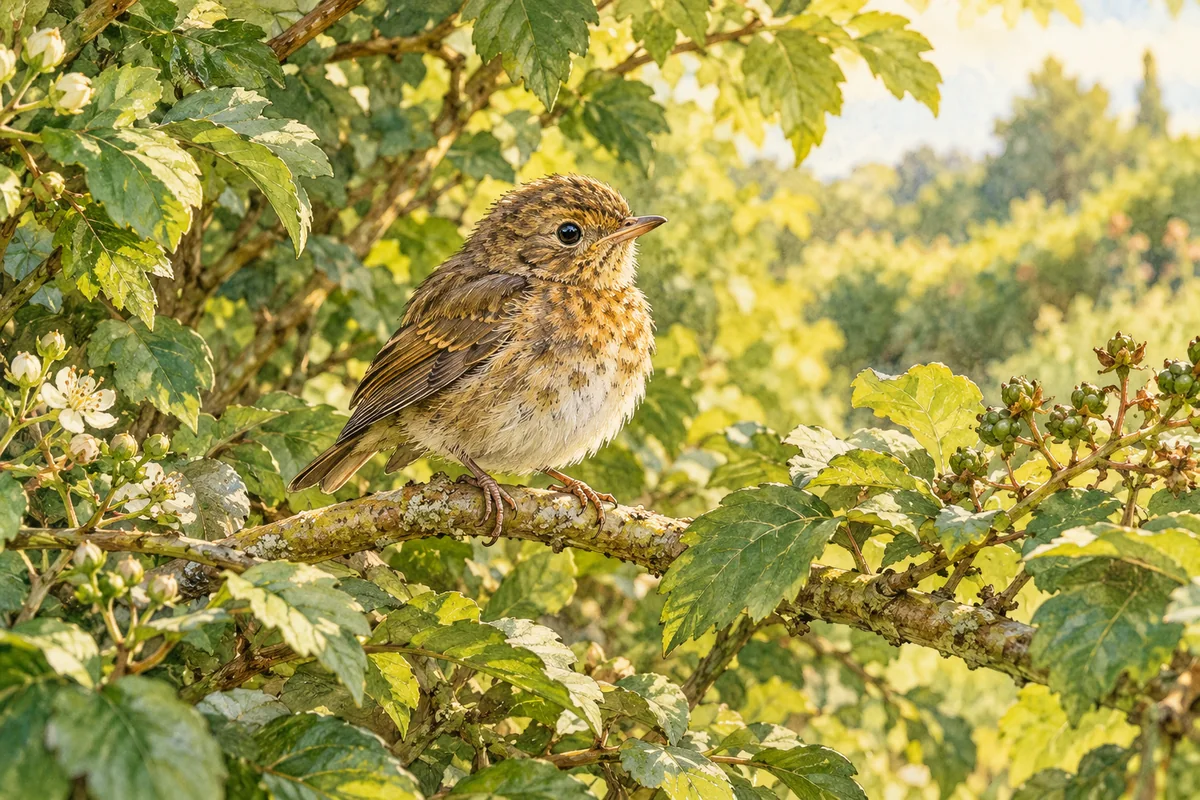 Found a young wild animal alone? Pause and observeUnderstand why a young animal may be alone and why the right response depends on its species and condition.Read guide
 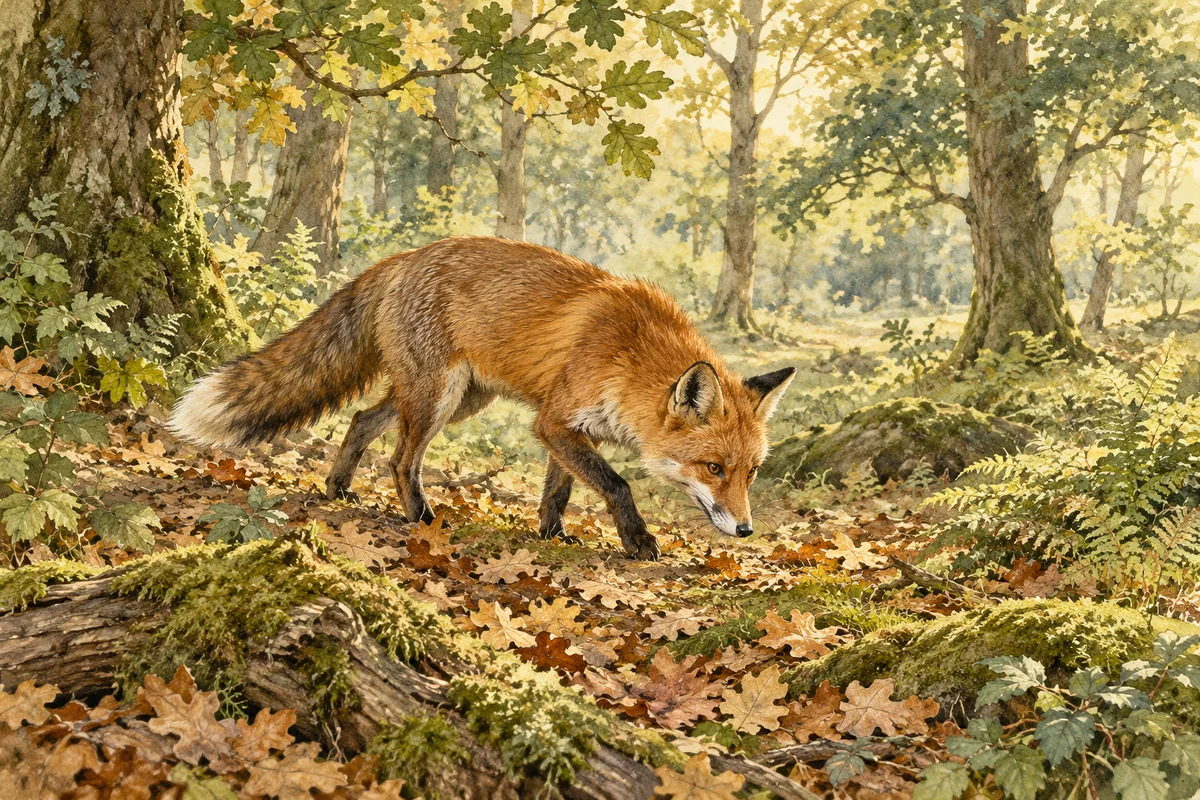 Why not feed wildlife?Learn how feeding or leaving scraps can change wildlife behavior and how to enjoy animals without offering food.Read guide
  Observe backyard wildlife without disturbing itFind a quiet, repeatable view of everyday backyard activity and watch without changing what wildlife does.Read guide
 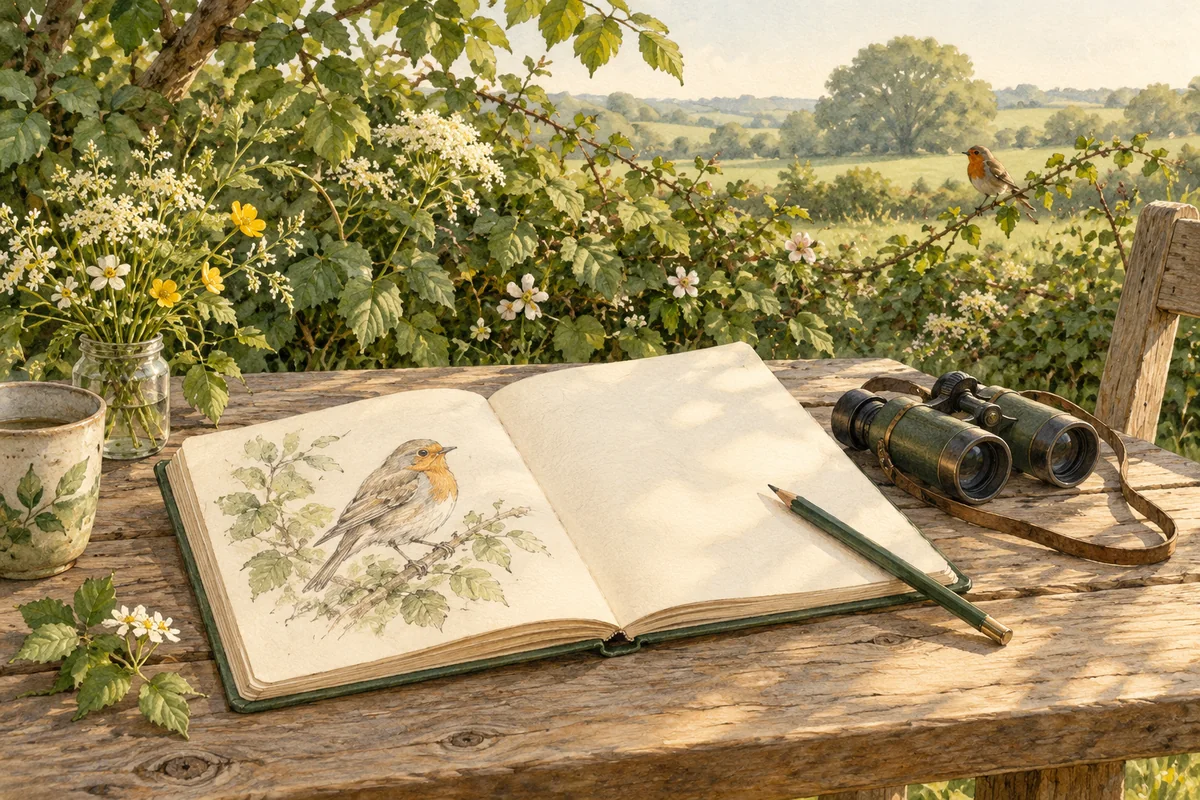 Start a nature journal: notice, sketch, wonderUse quick notes and simple drawings to remember nature observations and questions over time.Read guide