Observe with care
Give wildlife room: watch without closing in
Seeing a wild animal can make anyone want a closer look. But moving closer can interrupt feeding, resting or caring for young. A respectful view lets the animal keep its space and gives you a chance to observe what it does when it is not responding to you.
Quick answer
Stay far enough away that the animal can continue its normal behavior, and follow the rules for the place you are visiting. U.S. national park distance examples are not global rules or universal safety guarantees.
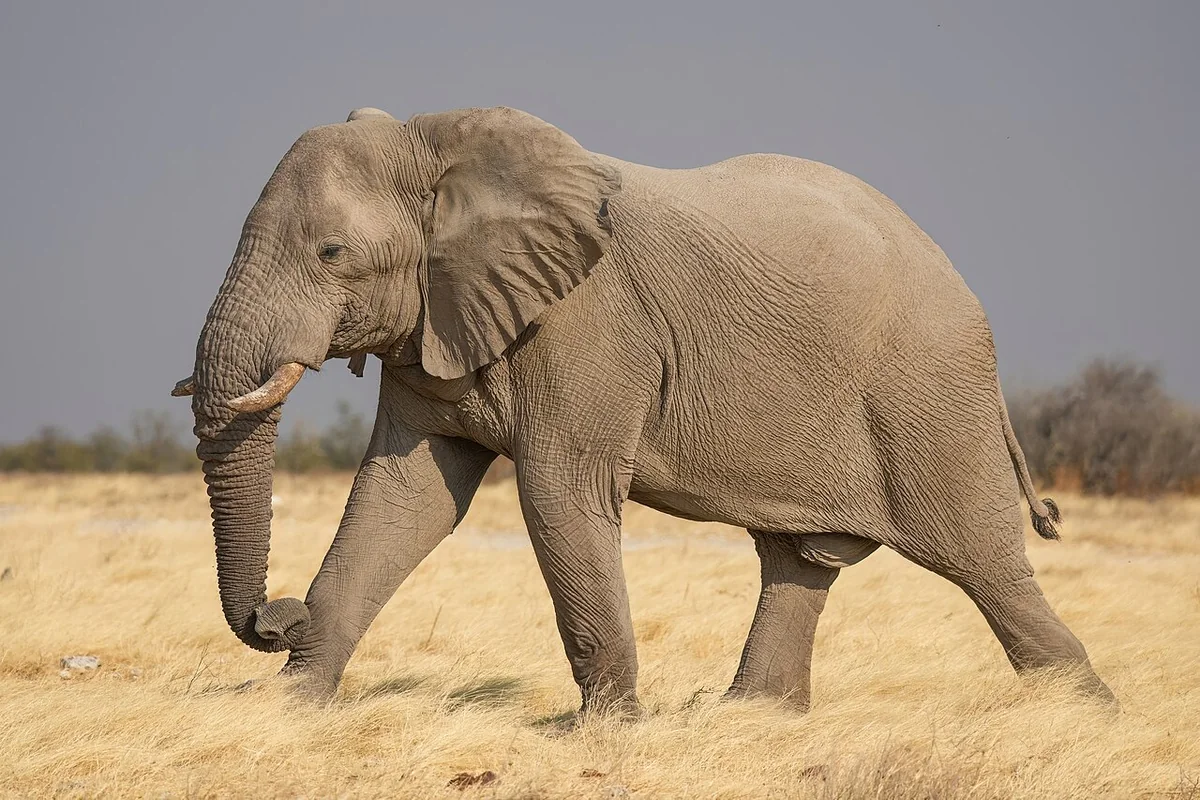
Start with the rules where you are
Wildlife viewing guidance depends on the location and the animals present. The U.S. National Park Service says visitors should check the specific park’s requirements before heading out. It notes that many parks set minimum distances of 25 yards from most wildlife and 100 yards from predators such as bears and wolves, while some parks use different distances.
These numbers are examples from U.S. national parks, not universal rules for a backyard, another country or every species. A park may post a larger buffer or temporary closure. Follow the local signs and ranger instructions, and give more space whenever the animal’s behavior suggests it needs it.
Sources: U.S. National Park Service: 7 Ways to Safely Watch Wildlife · Yellowstone National Park, NPS: Safety Press Kit
Use behavior as a signal
If an animal stops what it is doing, looks toward you repeatedly, moves away or otherwise reacts, treat that as a sign to back off. NPS advises that an animal reacting to your presence means you are too close. That cue is useful even when a sign gives a minimum distance: the listed number is not permission to keep advancing until the animal responds.
Keep the animal’s path open. Do not stand between an adult and its young, surround an animal for a better view or follow it when it retreats. A clear view from farther away can be made with binoculars or a zoom lens, while the animal keeps the freedom to move.
Sources: U.S. National Park Service: 7 Ways to Safely Watch Wildlife · Yellowstone National Park, NPS: Safety Press Kit
A simple viewing example
Imagine you are walking a trail and see a deer grazing. Stay on the path, pause at the distance required there, and use binoculars if you want to inspect its markings. If it lifts its head and moves away, step back and let it choose where to go. Do not leave the trail to circle around it for a photograph.
In Yellowstone, NPS guidance sets 25 yards for most animals and 100 yards for bears, wolves and cougars, plus a rule against approaching at any distance that disturbs or displaces wildlife. That example is specific to Yellowstone. Another destination may differ, so check its current guidance rather than copying these figures.
Distance protects the observation too
An animal that behaves naturally is more interesting to watch than one that is looking for an escape route. From a quiet spot, you may notice it feeding, resting, calling or interacting with its surroundings. Keep voices low, stay on marked paths and avoid flashes, bait or attempts to get the animal’s attention.
If the animal approaches you, do not treat that as an invitation to touch or pose beside it. Follow local guidance for the species and move away calmly when appropriate. The sources here cover park wildlife observation at a high level; they are not a species-specific response plan for an encounter with a dangerous animal.
Sources: U.S. National Park Service: 7 Ways to Safely Watch Wildlife · Yellowstone National Park, NPS: Safety Press Kit
Keep a respectful field note
From where you are standing, note what the animal is doing and whether it changes behavior. A journal entry might say: “Observed from trail with binoculars; grazing for several minutes; lifted head when hikers passed; we kept walking.” That records an observation and a respectful choice without claiming that a particular distance was safe everywhere.
The useful habit is simple: check local rules, give space, and retreat when wildlife reacts. Distance measurements can guide a visit in a named park, but they do not promise safety, guarantee a non-disturbing view or replace the judgment of local staff.
Sources: U.S. National Park Service: 7 Ways to Safely Watch Wildlife · NPS Rocky Mountain: Junior Ranger Journal/Nature Sketchbook
A respectful viewing routine
- Read signs and current local wildlife guidance.
- Choose a place that keeps the animal’s route and young unobstructed.
- Watch quietly from the required distance; use binoculars if helpful.
- Back away if the animal changes behavior or approaches you.
Takeaways
- Check rules for the exact park or place before watching wildlife.
- If an animal reacts or moves away, increase your distance.
- NPS yardage figures are U.S. park examples, not global guarantees.
Sources and further reading
Sources checked 17 Oct 2026.
Have a photo of your own?
Choose a photo on Home and select Analyze — your photo is sent only when you ask for the analysis.
Discover an animal