Animal groups
Butterflies and moths: look beyond the shortcut
A bright insect with broad wings might look like an obvious butterfly, while a brown one resting near a porch light might seem like a moth. Those first impressions are tempting, but nature is less tidy than the shortcut. Many moths are colorful, and several identification clues work only “in most cases.”
Quick answer
Butterflies and moths are close relatives, and common differences are tendencies rather than rules. Bright color, daytime activity or a particular resting pose cannot identify one by itself.
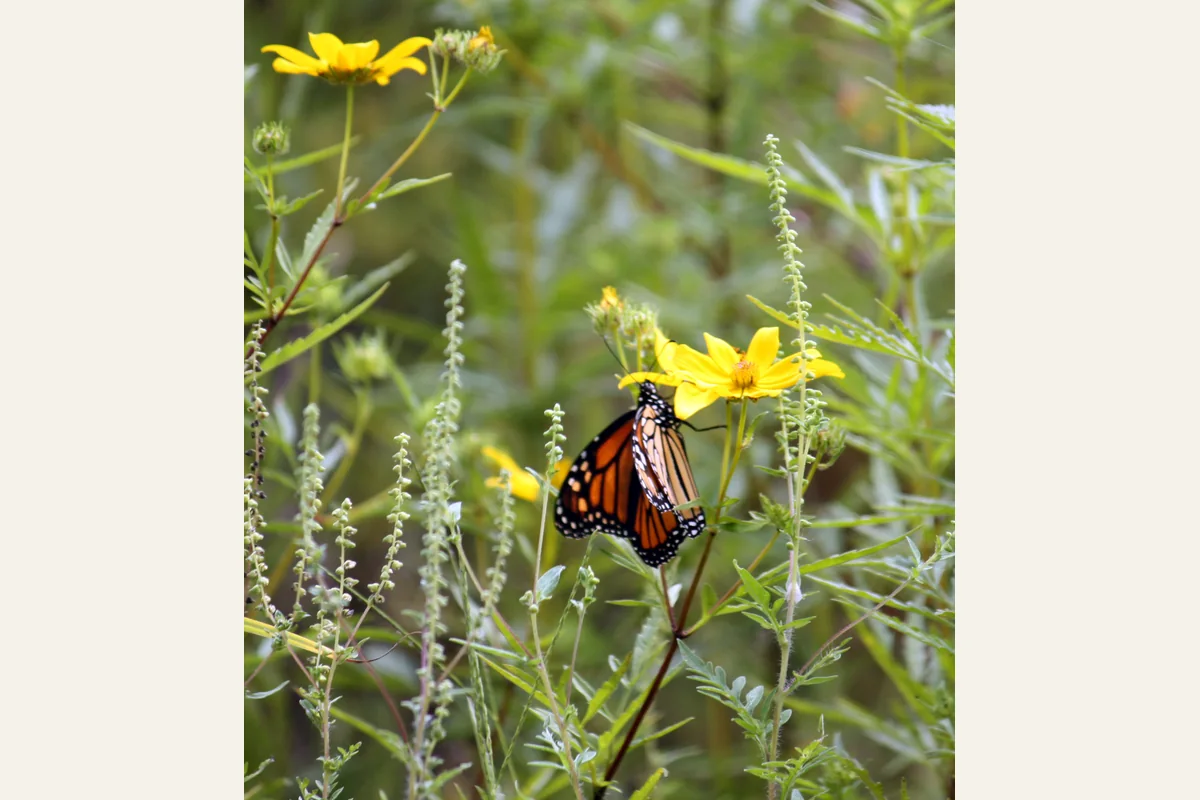
Related insects with overlapping looks
Both butterflies and moths belong to the order Lepidoptera, a group named for their scaly wings. They share many features and come in a remarkable range of shapes, colors and habits. A useful first lesson is that everyday labels do not always divide wildlife into two picture-perfect sets.
The Natural History Museum’s moth curator points out that moths in many parts of the world can be as brightly patterned and iridescent as butterflies. Some moths fly by day, and vivid colors or patterns can serve as displays to predators. So “colorful means butterfly” is not a reliable rule.
Sources: Natural History Museum: Spot the difference— butterfly or moth? · Natural History Museum: UK moths—Nine of the most colourful and distinctive · NC State Entomology: Order Lepidoptera
What clues might help?
When a clear view is available, naturalists may compare antenna shape, how the wings are held at rest and activity time. The Smithsonian and NC State describe typical differences: butterflies often have knobbed antenna tips, while moth antennae may be feathery or threadlike. These are clues to combine, not a checklist; moths can break familiar patterns. A photo may crop the antennae or show an unusual resting position.
Try describing first: “orange and black patterned wings; antenna tips not visible; resting with wings flat.” That gives someone else more useful information than “definitely a butterfly.” The museum’s comparison explains that traits help distinguish them in most cases, which leaves room for exceptions.
Sources: Natural History Museum: Spot the difference— butterfly or moth? · NC State Entomology: Order Lepidoptera · Smithsonian National Museum of Natural History: Butterflies and Beyond
A bright moth can change the story
The Natural History Museum highlights striking British moths such as the elephant hawkmoth, with pink and olive-green coloring, and the garden tiger moth, with bold contrasting patterns. Some vividly colored moths fly during the day; other moths are duller because camouflage helps them rest unnoticed. These examples are enough to test the idea that moths are always brown and nocturnal.
Use a local guide when you want to go further. A species may be common in one country and absent in another. A picture from a tropical garden and one from a British window may show very different members of the same broad group.
Sources: Natural History Museum: UK moths—Nine of the most colourful and distinctive
A careful comparison exercise
Look at a photograph without naming the insect right away. Write down the colors and pattern, then check whether the antennae and the way the wings rest are visible. Add when and where it was seen, if you know. Compare those observations with a regional museum or wildlife guide and see whether several clues point in the same direction.
For a learner, the useful answer may be “likely moth: its visible resting pose and antennae fit this local guide, although I would want a clearer view.” If the photo is blurred or only shows wing color, keep the answer at “small winged insect.” The point is to notice which evidence is present, not to make the image more informative than it is.
Sources: Natural History Museum: Spot the difference— butterfly or moth? · Natural History Museum: UK moths—Nine of the most colourful and distinctive
Let the insect stay undisturbed
You do not need to catch or pin an insect to learn from it. Watch from where you are, or take a photo only if you can do so without disturbing it. If it is resting, leave it to rest. A short observation of the wing shape, pattern and setting is better than moving it around to expose a feature.
No single visual shortcut guarantees an identification. If you cannot see the details clearly, an honest note—“butterfly or moth, uncertain”—is still a useful record. It leaves space for a better view or a regional expert guide to help later.
Sources: Natural History Museum: Spot the difference— butterfly or moth?
Look, record, compare
- Describe the wings, body and colors without naming the insect.
- Check whether antenna shape and resting posture are actually visible.
- Compare multiple clues with a regional guide.
- Write “uncertain” when the photo does not show enough.
Takeaways
- Butterflies and moths are close relatives with many overlapping features.
- Bright color and daytime activity do not rule out a moth.
- Use several visible clues and a local guide; keep the label broad when details are hidden.
Sources and further reading
Sources checked 17 Oct 2026.
Have a photo of your own?
Choose a photo on Home and select Analyze — your photo is sent only when you ask for the analysis.
Discover an animal