Animal groups
Bird field marks: notice the clues
Birds can flash past in a second, and the first thing you notice may not be the most useful one. Instead of trying to memorize every species, practice describing what you can actually see. A few careful details can turn a vague impression into a useful observation, even if you never settle on a species name.
Quick answer
A field mark is a visible feature—such as an eyebrow stripe, throat patch, wing bar, or tail pattern—that can help narrow down a bird’s identity. Compare several clues and keep uncertainty when the view is incomplete.
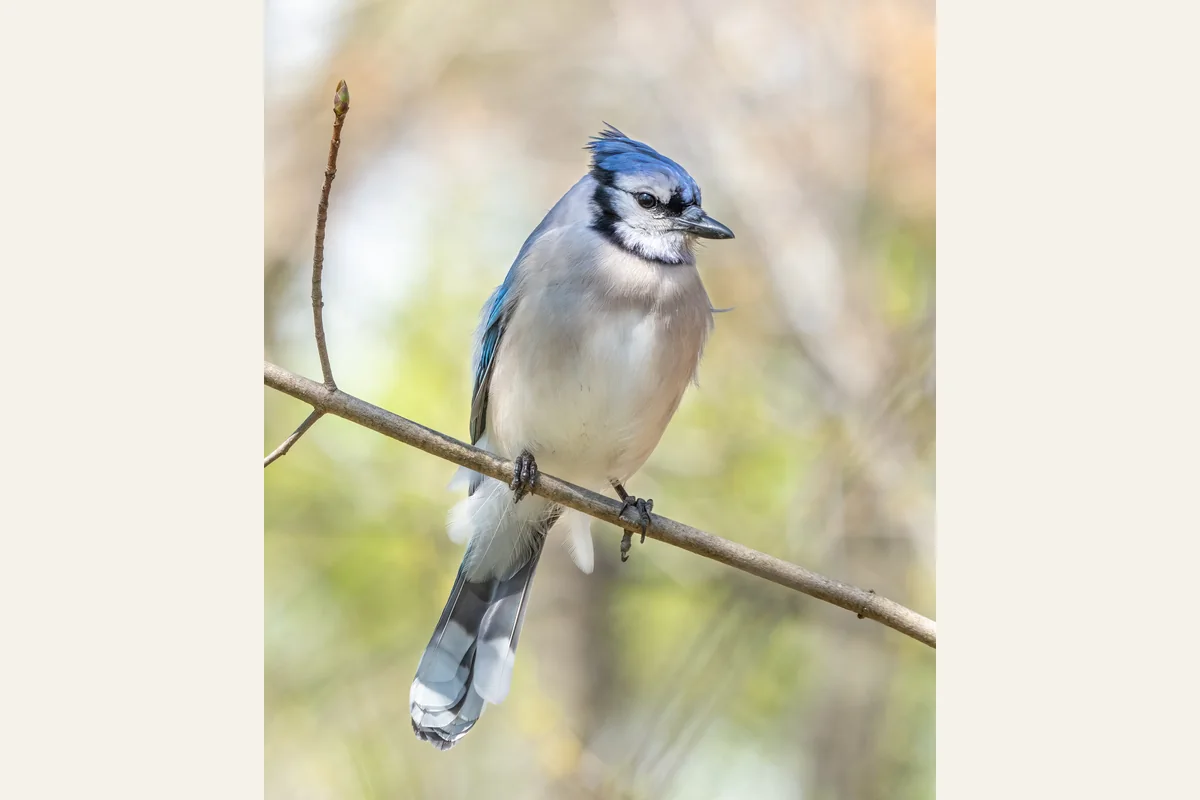
Start with the whole bird
Before zooming in on color, note the bird’s overall size and silhouette. Is it plump or slim? Does it have a long neck, a rounded body, a short tail, or pointed wings? Compare its size with a familiar bird nearby when you can. Estimating size without a reference is surprisingly difficult, so write “smallish” or “about robin-sized” instead of claiming an exact measurement.
Then record where it is and what it is doing. A bird feeding under a hedge, clinging to a trunk, or wading at the water’s edge gives you context. Shape, habitat, behavior and season can help narrow possibilities, but each is still a clue rather than proof.
Look for marks in specific places
Field marks are patterns and colors on particular parts of the body. On the head, look for an eyebrow stripe above the eye, a dark line through it, a colored throat patch, a ring around the eye, a crown stripe or a crest. Check the bill too: note its shape and color rather than jumping straight to what it eats.
On the wings, watch for bars across a folded wing, a bright patch, or contrasting tips. The tail may have bands, pale edges or a distinctive shape in flight. You do not need to name every feather. A small drawing with arrows to two or three visible marks can be more useful than a long list of uncertain labels.
Sources: Cornell Lab: Bird ID Skills—Field Marks · RSPB: Seven top tips on how to ID birds
A field mark is a clue, not a verdict
The same species can look different as it grows, molts or changes seasonal plumage. Young birds may not match an adult guide picture, and colors can look different in bright sun, shade or a phone image. Some species share patterns, and a single distinctive mark may narrow a shortlist without resolving it.
Try separating observation from interpretation: “pale stripe above the eye” is something you saw; “this must be species X” is a conclusion. If a feature is hidden, blurred or outside the frame, mark it unknown. A cautious “small bird with a pale eyebrow stripe” is a successful field note, not a failed identification.
Sources: Cornell Lab: Bird ID Skills—Field Marks · RSPB: Seven top tips on how to ID birds
Plumage changes with age and season
A mark that helps in one guide illustration may look different on a young bird or in another season. The RSPB notes that juvenile plumage and seasonal molt can change appearance, while Cornell recommends reading field marks alongside the bird’s broader shape and other clues. A missing or altered mark does not by itself rule a bird in or out.
For example, if your bird does not match the adult image in a field guide, check whether that reference shows the right age or season before changing your guess. Compare another clearly visible feature and use a guide for your region. If the photograph cannot resolve the difference, keep the description broad.
Sources: RSPB: Seven top tips on how to ID birds · Cornell Lab: Bird ID Skills—Field Marks
Keep the observation gentle
Good birdwatching leaves the bird in control of its space. Watch from a window or use binoculars from a path. Avoid approaching a nest or trying to make a bird fly so you can see its wings. If it changes its behavior because of you, retreat and observe from farther away. A photograph is useful only when it can be taken without disturbing the animal.
The aim is to become more observant, not to force a name. A few accurate notes about shape, pattern and behavior give you something meaningful to compare later—and help you notice how much one brief encounter can teach.
Sources: RSPB: Go birdwatching
Describe before you identify
| What I can see | What I still need |
|---|---|
| A pale line above the eye | Is it clear in more than one view? |
| Short tail and rounded body | How large is it beside a familiar bird? |
| Searching beneath shrubs | Does behavior fit more than one species? |
| Wing pattern not visible | Do not fill it in from memory |
- What I can see
- A pale line above the eye
- What I still need
- Is it clear in more than one view?
- What I can see
- Short tail and rounded body
- What I still need
- How large is it beside a familiar bird?
- What I can see
- Searching beneath shrubs
- What I still need
- Does behavior fit more than one species?
- What I can see
- Wing pattern not visible
- What I still need
- Do not fill it in from memory
Takeaways
- Describe the silhouette before listing colors.
- Record two visible field marks and label hidden details as unknown.
- Use regional guides and several clues; keep the identification broad when they do not agree.
Sources and further reading
Sources checked 17 Oct 2026.
Have a photo of your own?
Choose a photo on Home and select Analyze — your photo is sent only when you ask for the analysis.
Discover an animal