Understand identification
When an animal identification stops at family
A photograph does not always contain enough evidence for a species name. The subject may be too distant, the key mark may be hidden, or two related animals may genuinely require another view or specialist knowledge. iNaturalist’s identification guidance gives a clear principle: choose a taxonomic level supported by the observation, and use a broader group when the evidence does not distinguish the alternatives.
Quick answer
Use the narrowest taxonomic level the visible evidence supports, and stop before adding unsupported specificity. If the photo cannot separate two species, a genus or family-level answer may be more accurate than a guess. A broad result is a limit of the evidence in this image, not a failure by the observer.
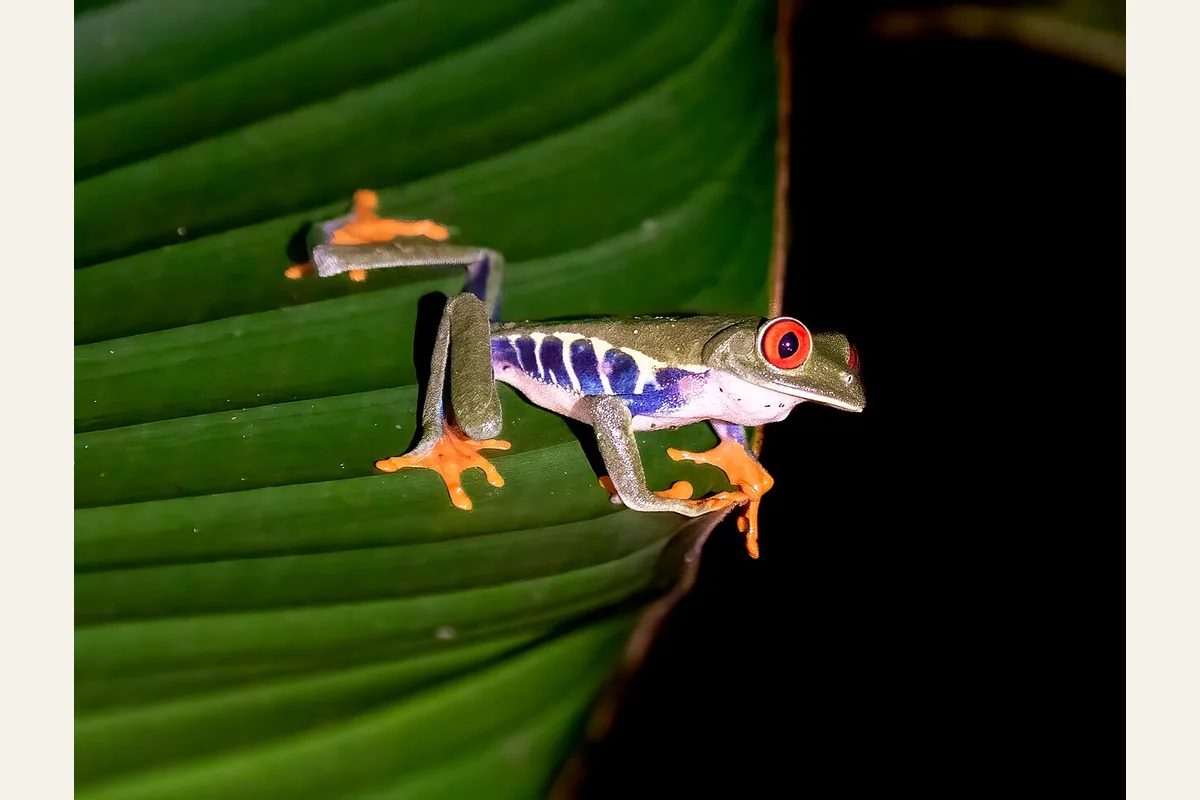
Know what taxonomic levels mean
Classification is nested: species sit within genera, and genera within families. Animal Diversity Web classifies the red fox as species Vulpes vulpes, genus Vulpes, family Canidae. This is a real taxonomy ladder, not evidence that a particular photo supports the species name.
Common names do not always map neatly to one rank across languages or groups, so check what the name means in a trusted source. This guide uses “family” as a practical stopping example, not as a promise that every photo can be identified to family. Sometimes only a class, order, or general animal group is justified; sometimes the image does not show enough to name even that confidently.
Sources: iNaturalist Help — What is an Identification? · Animal Diversity Web, University of Michigan — Vulpes vulpes (red fox)
Find the unresolved distinction
When two candidates remain, write the feature that separates them and check whether it is visible. For example, the body may fit two similar mammals, while the tail or facial pattern that distinguishes them is cropped off. In birds, the bill base, wing bar, or head stripe might be hidden by angle or blur. For insects, a species-level distinction may depend on tiny structures not resolved in a phone image.
Do not fill the gap with a guess about where the animal “must” be, what it “probably” does, or which species is more common. Those can be useful research questions, but they do not replace the missing feature. If a guide tells you which trait matters and the photo cannot show it, the evidence has reached its limit.
Sources: iNaturalist Help — What is an Identification? · Cornell Lab of Ornithology, All About Birds — Bird ID Skills: Field Marks · iNaturalist Help — How to use Identification Tips
Choose the narrowest defensible label
Move up the taxonomic tree only as far as needed to include the remaining candidates. If two species in one genus cannot be told apart, use the genus. If the possibilities span multiple genera in one family, use the family. A broader group is not a statement that all its members look identical; it tells a reader that the available evidence does not justify a narrower claim.
iNaturalist’s help page illustrates this with two weasel species and recommends the genus when the evidence cannot distinguish them. The exact rank depends on the organism and the evidence; do not copy that example’s rank into another group without checking its taxonomy. A responsible answer can also keep multiple candidates open in prose instead of forcing a single taxon.
Decide whether another photo would help
A new angle helps only when it can reveal the feature in question and taking it is safe. If the animal is nearby and undisturbed, a side view or another naturally visible body part may help. If it has left, do not chase it, disturb a nest, handle it, or return to a restricted area to complete the record. Sometimes the needed evidence is microscopic, seasonal, vocal, or available only to a specialist; another phone photograph will not solve every identification.
Animal Says Hi accepts one photo in its current flow. If you have several views, compare them yourself and choose the clearest one for analysis; the app does not combine multiple uploads into one observation or process sounds. For a community identification, check the target platform’s own multi-photo rules and evidence requirements.
Sources: Animal Says Hi Help — Using photo analysis and understanding results · iNaturalist — Frequently Used Responses · iNaturalist Help — How can I get help identifying what I saw or heard?
Explain the stopping point clearly
A helpful note names the broad result, the clue supporting it, and the missing distinction: “This appears to be a small mustelid; the tail is not visible, so I cannot separate the possible species from this frame.” That wording is transparent and gives another observer a concrete next question. It is more useful than presenting a precise name without a visible reason.
AI output should not pressure you to choose a species. iNaturalist cautions against using computer vision as the sole basis for an identification, and the same care applies to a conversational description. Animal Says Hi offers possibilities for learning and may say when a photo is unclear. It does not establish scientific certainty, medical condition, temperament, or safety. When the answer matters, seek an appropriate expert and preserve the evidence that led to the uncertainty.
Sources: iNaturalist Help — What is an Identification? · iNaturalist Help — Computer Vision FAQs · Animal Says Hi Help — Using photo analysis and understanding results
Use the narrowest supported rung
| Level supported by the evidence | Red fox taxonomy example | How to decide |
|---|---|---|
| Species | Vulpes vulpes — red fox | Use only when the photo supports that species. |
| Genus | Vulpes | Use when the genus is supported but the species is not. |
| Family | Canidae | Use when the family is supported but the genus is not. |
| Broader or unclear | A wider animal group, or no confident label | Move broader if the visible evidence cannot support Canidae. |
- Level supported by the evidence
- Species
- Red fox taxonomy example
- Vulpes vulpes — red fox
- How to decide
- Use only when the photo supports that species.
- Level supported by the evidence
- Genus
- Red fox taxonomy example
- Vulpes
- How to decide
- Use when the genus is supported but the species is not.
- Level supported by the evidence
- Family
- Red fox taxonomy example
- Canidae
- How to decide
- Use when the family is supported but the genus is not.
- Level supported by the evidence
- Broader or unclear
- Red fox taxonomy example
- A wider animal group, or no confident label
- How to decide
- Move broader if the visible evidence cannot support Canidae.
The red fox example shows nested ranks; it does not imply that every photo can be identified to species. Stop at the narrowest rung the evidence supports.
Takeaways
- A broad taxonomic label can be the most accurate label available.
- State which visible feature separates the remaining candidates and whether the photo shows it.
- Take another view only when it is safe, useful, and does not disturb the animal.
Sources and further reading
Sources checked 17 Oct 2026.
- iNaturalist Help — What is an Identification?
- iNaturalist Help — How to use Identification Tips
- iNaturalist Help — Computer Vision FAQs
- iNaturalist — Frequently Used Responses
- iNaturalist Help — How can I get help identifying what I saw or heard?
- Cornell Lab of Ornithology, All About Birds — Bird ID Skills: Field Marks
- Animal Says Hi Help — Using photo analysis and understanding results
- Animal Diversity Web, University of Michigan — Vulpes vulpes (red fox)
Have a photo of your own?
Choose a photo on Home and select Analyze — your photo is sent only when you ask for the analysis.
Discover an animal