Observe with care
Why not feed wildlife?
A snack can feel like a kind gesture, especially when an animal comes close. In U.S. national parks and other wild spaces, though, feeding wildlife or leaving food waste can affect both animals and visitors. This guide follows National Park Service visitor guidance for wild places. It does not cover maintained garden bird feeders, which need separate local advice about species, food and hygiene.
Quick answer
When visiting wild spaces and U.S. national parks, do not offer food or leave crumbs for wildlife. The National Park Service explains how human food and food waste can affect animals and visitor safety. This guide is about observing wildlife in those settings; maintained garden feeding is a separate practice with its own local rules and hygiene guidance.
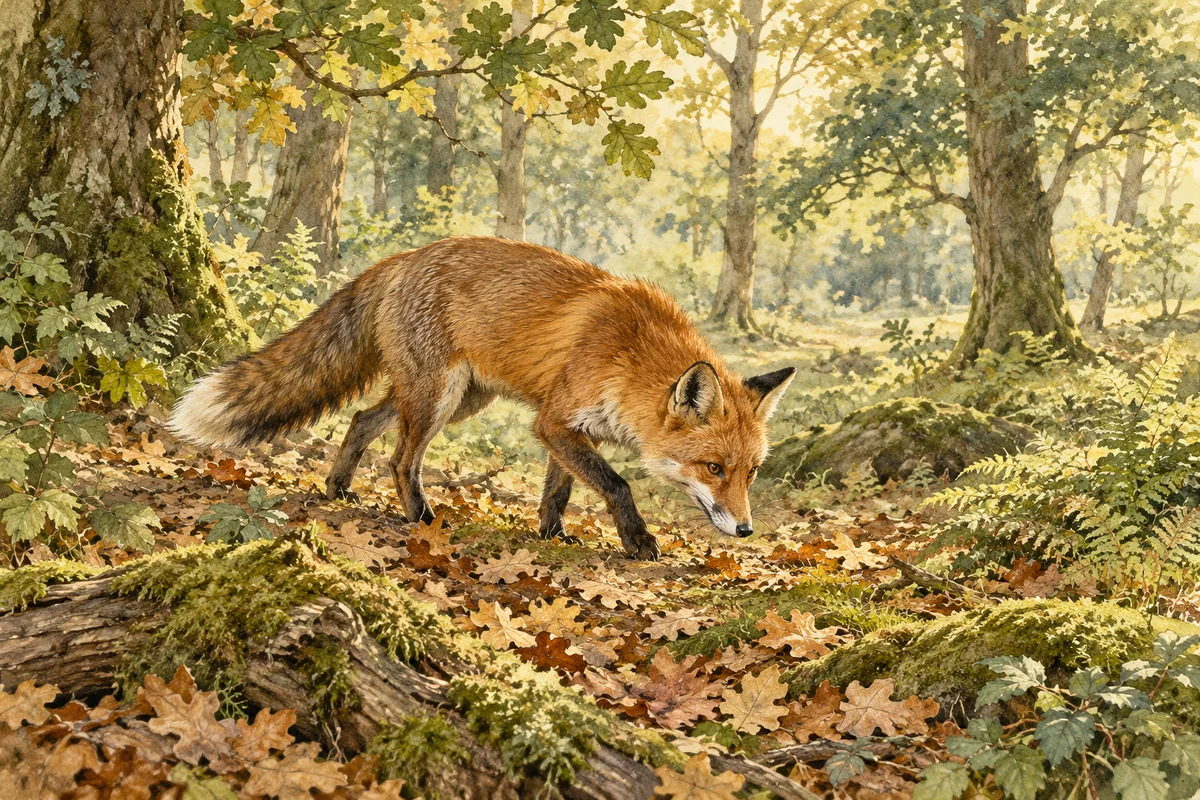
Human food is not a wildlife diet
The U.S. National Park Service explains that human foods may fill an animal up without providing the nutrients it needs. Animals that rely on these foods can reduce their natural hunting, foraging or scavenging. NPS describes poor nourishment and shorter lives among risks from human food and trash in park settings.
The details depend on species and context, so avoid claiming that every snack has the same effect on every animal. The practical lesson is still clear: do not assume that something safe for people is suitable for wildlife. Let wild animals keep finding their natural food.
Sources: U.S. National Park Service: Don't Feed Wildlife · U.S. National Park Service: Risks to Wildlife from People
Feeding can change behavior
Animals that learn to associate people with food may begin approaching visitors, begging or investigating bags and tents. The NPS calls this food conditioning. A wild animal can lose some wariness around people, which can lead to conflicts and sometimes harm to the animal.
Food conditioning is not just a hand-to-mouth interaction. Crumbs, unsecured trash and unattended picnic food can also teach animals that people are a food source. Cleaning up carefully is part of watching wildlife responsibly.
Sources: U.S. National Park Service: Don't Feed Wildlife · U.S. National Park Service: Risks to Wildlife from People
An easy picnic example
Imagine a squirrel looking toward your lunch. Keep the food to yourself, close the bag and pack away crumbs and wrappers. Watch it from where you are rather than drawing it closer for a photo. If the animal approaches, move your belongings and create space; do not reward the approach with food.
The point is not to judge the animal for being curious. It is to avoid creating a pattern that may be unhealthy for it or uncomfortable for other visitors. NPS advises checking local park rules too, since feeding may be prohibited at the site.
Observe instead of offering a snack
Try noticing what an animal chooses to eat or how it searches for food without changing the scene. Does a bird inspect bark? Does a squirrel pause beneath a tree? Keep a quiet distance, use binoculars if helpful and leave natural food sources where they are. This kind of attention can reveal behavior that a close-up feeding moment would hide.
For a family activity, make a short list of “food search clues”: sniffing, pecking, digging or picking through leaves. Do not follow an animal or disturb a nest to see more. If you cannot observe without changing its behavior, step back.
Sources: U.S. National Park Service: Risks to Wildlife from People · RSPB: Go birdwatching
Leave no accidental treats
After eating outdoors, check the ground and nearby surfaces for crumbs and food waste. Put trash in the correct bin or pack it out, and follow local storage instructions for food. The NPS specifically warns that leaving food and garbage can unintentionally feed wildlife.
This guide focuses on park and wildlife-watching advice. Backyard feeders have their own considerations, including local rules, species and hygiene. Do not infer that a broad no-feeding message answers every backyard feeding question. When in doubt, follow local wildlife authorities and choose observation without food as the simple option.
Sources: U.S. National Park Service: Don't Feed Wildlife · U.S. National Park Service: Risks to Wildlife from People
Keep the observation food-free
- Watch what the animal does on its own.
- Keep snacks in a closed container and never use food to draw an animal closer.
- Pick up crumbs and pack away trash.
- Check local park rules and maintain distance if an animal approaches.
Takeaways
- In U.S. national parks and other wild spaces, do not offer human snacks to wild animals.
- Crumbs and unsecured trash can also attract wildlife in those settings.
- Watch animals forage naturally and follow the rules of the place you visit; maintained garden feeding is outside this guide’s scope.
Sources and further reading
Sources checked 17 Oct 2026.
Have a photo of your own?
Choose a photo on Home and select Analyze — your photo is sent only when you ask for the analysis.
Discover an animal